
Snowdonia’s AONBs
February 6th, 2017
The beautiful scenery of Snowdonia is as varied as it is magnificent. Characterised by rolling hills, sweeping valleys, limestone ridges and epic forests, the unspoilt area that defines the National Park is truly beautiful; over centuries its majesty has helped to define the history of the area in which it sits.
And thankfully, we’re not the only ones to think so. As well as the National Park itself, Snowdonia is surrounded by AONBs (Areas of Outstanding Natural Beauty) – most of Anglesey’s coastline as well as much of the Llyn Peninsula, and to the east, the Clwydian Hills and the Dee Valley. These designated areas of countryside are protected and their beauty is conserved. They are recognised as valuable landscapes – not only to the environmental and ecological health of an area, but also to the well-being of the people who use and enjoy them.
Following the aftermath of the Second World War, when the government’s attentions turned to ensuring a secure and happy future for the people of Britain, a young architect called John Dower was working on proposals to designate parts of England & Wales as National Parks. As part of Dower’s report, he suggested several beautiful areas across the country that although had missed out on National Park status, perhaps should be assigned some kind of protected status, thanks to their stunning natural scenery.
Although the government largely agreed with Dower’s suggestions, the years that followed proved a testing time for the idea, as campaigners often faced opposition from local authorities who deemed the concerns of post-war housing, jobs, industry and transport more important. But finally, in 1956, the very first AONB was designated – Wales’ own Gower region.
Today, there are 46 AONBs across England, Wales and Northern Ireland (in Scotland such areas are defined as National Scenic Areas), and each one is maintained and looked after by the relevant local authority of the area, along with the CCW (Countryside Council for Wales) or Natural England.
Although AONBs don’t have quite the same protection and status as the country’s National Parks, their main purpose is very similar, and the quality of the scenery and natural landscapes are usually considered to be equal to those of a National Park. AONBs are designated to conserve, protect and enhance the natural beauty of an area. And thanks to a huge surge in the trend for outdoor activities and “stay-cation” holidays, local authorities are also now recognising the huge economic value that AONB can bring to an area.
Join us next time on the Oakeley blog for a fabulous walk around one of the region’s AONB……
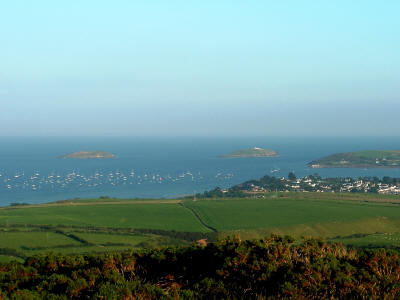
Llyn Peninsula (image from wiki commons)