
Frongoch Irish Prisoners
June 12th, 2016
Regular readers of the Oakeley blog will already know that beautiful Snowdonia and the area surrounding the Oakeley Arms Hotel is rich in history and culture, and today we’re commemorating the 100th anniversary of events that changed the political landscape of a nation.
Deep in the heart of the Welsh countryside in the small village of Frongoch near Bala, not far from us here at the Oakeley Arms, was a makeshift prisoner of war camp that housed a number of German soldiers during the First World War. The prisoners of war were housed in an old whiskey distillery and tumbledown huts, but in May 1916 the German soldiers at Frongoch were moved to make way for almost 2,000 new prisoners of war from the infamous Easter Rising in Ireland.
The Easter Rising was a culmination of decades of political unrest in Ireland, as groups of separatists who wanted Great Britain to forfeit it’s control over Ireland took over the city of Dublin resulting in a week long battle. More than 500 people were killed during the feud and it left many areas of Dublin in ruin. The rebels weren’t successful then but it did pave the way for an establishment of a republic a few years later.
The British Government wasted no time after the Easter Rising in arresting those they thought responsible, and sent many of the leaders and future revolutionaries to Frongoch Internment Camp. Among them were Michael Collins, Dick Mulcahy, Dick McKee, Tomás Mac Curtain, Terence MacSwiney – all of whom were fierce separatists and republicans. The camp provided an ideal opportunity for them men to discuss their plans and hopes for a united Ireland in the future. Later, Frongoch would become known as the “University of Revolution” as Michael Collins led discussions and debates. When the prisoners were released less than a year later, many went on to form the Irish Republican Army (the IRA).
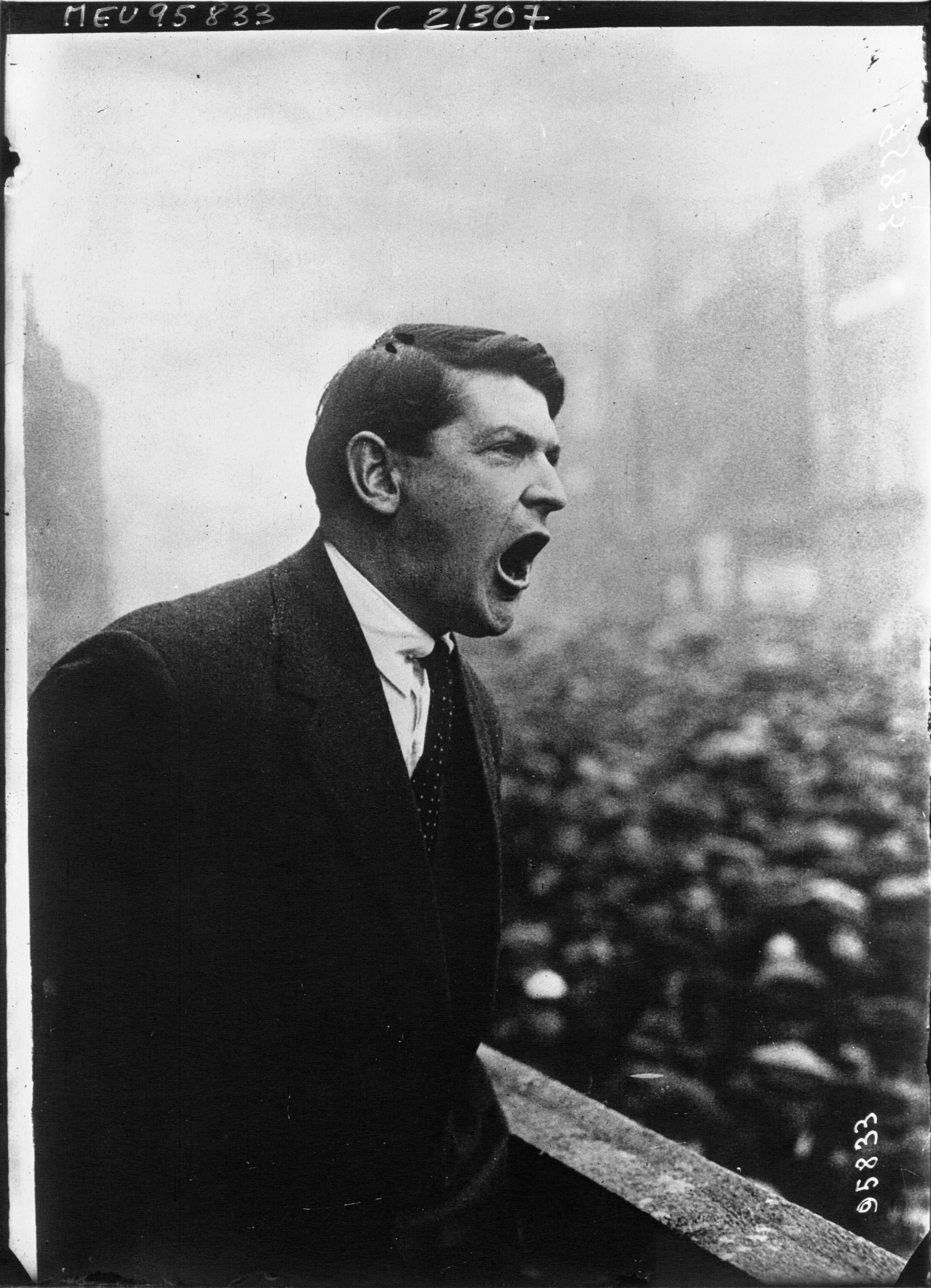
Irish revolutionary Michael Collins was detained at Frongoch Internment Camp
It’s fascinating to think back and imagine 2,000 Irish rebels imprisoned in a tiny Welsh community. Frongoch is fiercely Welsh speaking, and would have been even more so then. It’s difficult not to wonder what the locals thought of the Frongoch Irish prisoners, and visa-versa. And what would conditions have been like for the prisoners? They weren’t reported to be good, but just what was like life for the Irish prisoners of Frongoch?
The prisoners were released later in 1916 and soon after the internment camp was demolished. The local school, Ysgol Bro Tryweryn, now stands in it’s place.
This weekend saw a series of commemorative events taking place in and around Frongoch, in an attempt to bring these historical events, and a historical place, to the attention of a wider audience. Few people are aware of the significance of the Frongoch Irish Prisoners, and their place in the future politics of Ireland and Great Britain, and of course, it’s yet another fine example of the historic and cultural significance of many of the wonderful places in North Wales.