
Battle of the Somme Centenary
June 17th, 2016
Yesterday, England and Wales fought their battle out on the football field in Northern France, and thankfully that occasion was full of passion, pride and a lot of fun for both teams and their supporters. However, not too far from the city in which they were playing is the site of one of the deadliest battles of World War I, the centenary of which will be commemorated on the 1st July 2016. This sombre dates marks the centenary of the beginning Battle of the Somme when the British and French armies fought hard against the German Empires.
In these days of comfort, luxury and relative richness for most of the country, it’s difficult to imagine the hardships that soldiers in the Somme endured. Conditions were extremely tough, and the battle that lasted almost five months between July and mid November 1916 is one of the bloodiest in the history of the world. Over 1 million men lost their lives during the fighting, and the very word Somme has become synonymous with bloody war, tragedy and the devastating loss of life.
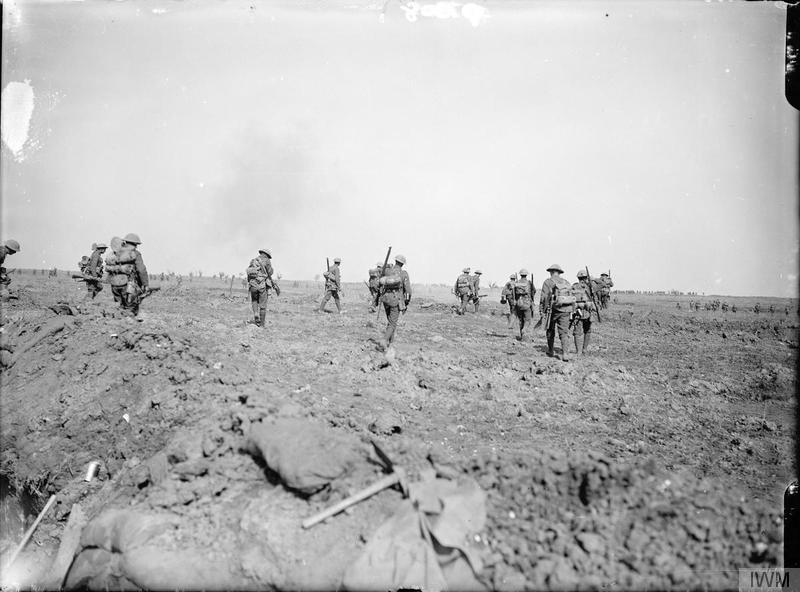
By Brooks, Ernest (Lieutenant) (Photographer) on wiki commons
The first day of the Somme was on the 1st July 1916, and it saw a serious defeat for the German Army. It was at a high cost however, as almost 20,000 soldiers lost their lives in the first day alone, and that was just on the British side. And of course, although the Battle of the Somme was one of the most notorious, there were many, many more and countless British men never made it home. 40,000 Welsh men lost their lives during WWI, a staggering number for such a small country, and it all had an irreversible effect on the country’s economy.
And as much of the world’s sporting media gathers in France 100 years later for one of football’s most prestigious sporting events, it’s worth taking a moment to reflect on how very different the atmosphere would have been a century ago. In fact, some of Wales’ most prominent footballers of the time were casualties of the First World War. James “Ginger” Williams played for Accrington Stanley, Crystal Palace and Millwall, as well as winning two caps for his national team was just 30 years old when he died in active service on the front line in 1916.
And James was in good footballing company. He served alongside Cardiff City player Fred Keenor, who did survive the war and went on to win a whopping 32 caps for his national team. North Walian born Bobby Atherton, Fred Griffiths from mid Wales and George Griffiths from Wrexham were also prominent Welsh footballers of the early 20th century who served in WWI.
So. whilst you’re enjoying the festivities of football during the tournament, why not take a moment to reflect on the gruelling history of 100 years ago as the Battle of the Somme centenary is marked on 1st July. Lest we Forget……

Memorial to the Missing Soldiers of the Somme.