
Maritime History of Wales
October 28th, 2019
The Welsh coast was once home to some of the most important ports in the world, and the maritime history of our beautiful coastline is woven deep into our culture and legends.
Humans have been setting sail from, and to, the Welsh coast for as long as there have been settlements along it, and the maritime history of Wales forms an essential part of the country’s heritage and culture. And so, this month we celebrate Wales’ maritime history with three of the most historic, and at one time, influential ports in the country. So why not join us on a walk back through time?
The first port of call is to Wales’ capital city, Cardiff. The city’s dockland area, now known as Cardiff Bay, is considered one of the most successful redevelopment projects in Europe. But, it wasn’t always home to fashionable bars and executive apartments. This area was once known as Tiger Bay and it was the heart of the exporting and importing that came as a result of industrial South Wales, specifically, the millions of tonnes of coal that were mined from the valleys close by.
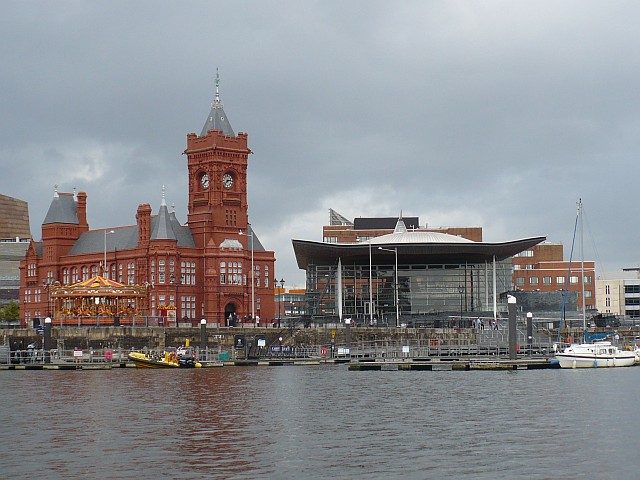
At its peak, Tiger Bay was one of the largest and busiest docks in the world, as the appetite for coal roared into life during the Industrial revolution. Enormous sums of money were made from exporting coal and it was this fortune that helped to secure the title of Wales’ capital city for Cardiff, and made the docks’ owner, John Crichton-Stuart, one of the richest men in the world in the mid nineteenth century.
The docks had all but closed by the end of the Second World War and lay in dereliction until the turn of the twenty first century. In 1999 the entire areas was transformed and re-named as Cardiff Bay. It is now home to a thriving cultural quarter, as well as the Welsh Assembly Government. So, this important dockland is still making history today!
Next, we head along the Pembrokeshire headland to the town of Cardigan, which sits strategically beside the River Teifi in West Wales. At one time, Cardigan was one of Wales’ most important export ports, especially for local herring. By 1815, there were 314 ships based at Cardigan, seven times as many as Cardiff and three times as many as Swansea. And all these boats meant a thriving ship-building industry too.

However, by the mid nineteenth century, the arrival of the railway at Cardigan signalled the beginning of the end of the port’s heyday. The Afon Teifi began to silt up and large ships couldn’t reach the port. Today, the port isn’t used commercially, but it is home to a thriving leisure craft industry.
And finally, we snake along the coast of Cardigan Bay to the town of Porthmadog. This coastal town didn’t exist until 1812, when a local businessman, William Alexander Maddocks constructed a land-saving embankment across the tidal flood plains.
The harbour and port grew quickly, exporting slate from the quarries of Blaenau Ffestiniog to global destinations. And, like Cardigan, Porthmadog became an important centre for ship-building with over 260 ships being built here in less than 100 years.
As with most casualties of the industrial revolution, Porthmadog’s harbour had reached its peak by the turn of the nineteenth century. Today, the great working ships have been replaced by yachts and the harbour is lined not with cargo ships but with small cruisers. But the legacy of all of these industrious, pioneering and once great ports lives on in the stories of their towns and their people, whose histories are built into the ports and docks that helped shaped the coast as we know it today.